Why iran is so sure that they want to fight with American politics
Below is a blog-style explanation of why tensions between Iran and American politics are so high right now, including the latest context from ongoing conflict and the historical roots of mistrust — with relevant news and visuals (based on global events as of March 1 2026).
Why Iran Seems Willing to Confront American Politics (Explained)
1. Deep Historical Mistrust (Post-1979)
The core of Iran’s mistrust of the United States goes back decades:
Before 1979, Iran was ruled by the Shah, who was supported by the United States as a key ally in the Middle East. (Wikipedia)
In 1979, the Islamic Revolution overthrew the Shah and replaced his government with a theocratic republic. Shortly after, Iranian students seized the U.S. Embassy in Tehran and took American diplomats hostage — a crisis that lasted over a year and led to the severing of diplomatic relations. (Wikipedia)
Since then, Iranian political ideology has often used anti-American language (“Great Satan” to describe the U.S.) as part of its rhetoric against Western influence. (Wikipedia)
This history created long-lasting resentment and suspicion in Iran toward U.S. political intentions.
2. Nuclear Program & Sanctions Dispute
Over the last two decades:
Iran’s nuclear program, which Tehran claims is for peaceful purposes, has been a central point of dispute. (Wikipedia)
The U.S. and Western allies have accused Iran of trying to develop nuclear weapons — leading to intense diplomatic pressure, sanctions, and breakdowns in negotiations.
In recent months (early 2026), Iran has asserted that it will not yield to U.S. pressure in nuclear talks and emphasized national pride and sovereignty. (Al Jazeera)
This stance reflects Iran’s broader belief that compromise under external pressure is unacceptable — in part because of past experiences with coercive diplomacy.
3. Geopolitical and Strategic Competition
Iran is situated in a volatile region and competes for influence:
The U.S. maintains military presence and alliances in the Gulf, which Tehran sees as a threat to its own security and regional role.
Iran supports allied armed groups (such as Hezbollah and other proxies), while the U.S. sees some of these groups as extremist forces. (The Lallantop)
Both sides view the other’s actions as destabilizing — the U.S. talks about preventing nuclear proliferation and regional aggression, while Iran talks about defending itself from intimidation.
This competition keeps tensions high, even when formal negotiations are underway.
4. Recent Escalation (Feb-Mar 2026)
Events in early 2026 show these tensions have exploded into active conflict:
According to recent reporting, Iran launched missile and drone strikes against U.S. military bases in the Middle East, signaling direct confrontation. (The Guardian)
This occurred after airstrikes by the U.S. and Israel on Iranian military targets — creating a cycle of retaliation. (AP News)
Leaders in Tehran have publicly vowed “no leniency” against American and Israeli positions, framing it as defense of national sovereignty. (The Guardian)
These developments show that Iran’s stance is not just theoretical — in this phase of the conflict, its leadership appears prepared to respond militarily rather than back down.
5. Why Iran “Feels Ready to Fight”
In summary:
✔ Perception of Threat
Iran believes:
U.S. sanctions and pressure threaten its national economy and security.
Military buildup near its borders implies possible strikes if diplomacy fails. (The Times of India)
✔ Political Identity
Iran’s leadership uses confrontation with the U.S. as part of its ideological and political legitimacy, reinforcing unity at home.
✔ Retaliatory Logic
When U.S. forces or allies take military actions against Iranian interests, Tehran feels obliged to respond in kind to avoid being seen as weak.
Conclusion: A Complex Jeopardy
Iran’s stance isn’t simply about “wanting to fight American politics.” It’s rooted in:
Historical grievances (hostage crisis, overthrow of the Shah era)
Nuclear and geopolitical disputes
Regional power competition
Escalating military incidents in 2026
As long as deep mistrust persists and both sides emphasize military readiness over diplomacy, the conflict will remain volatile.
Visual Summary

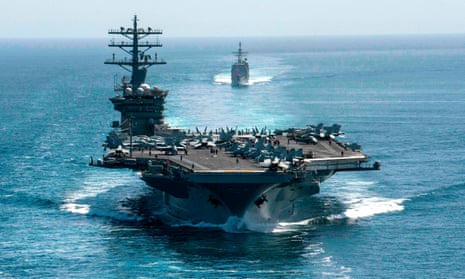


If you want, I can turn this into a formatted blog post for publishing with full subheadings, quotes, and suggested social media visuals.

टिप्पणियाँ
एक टिप्पणी भेजें